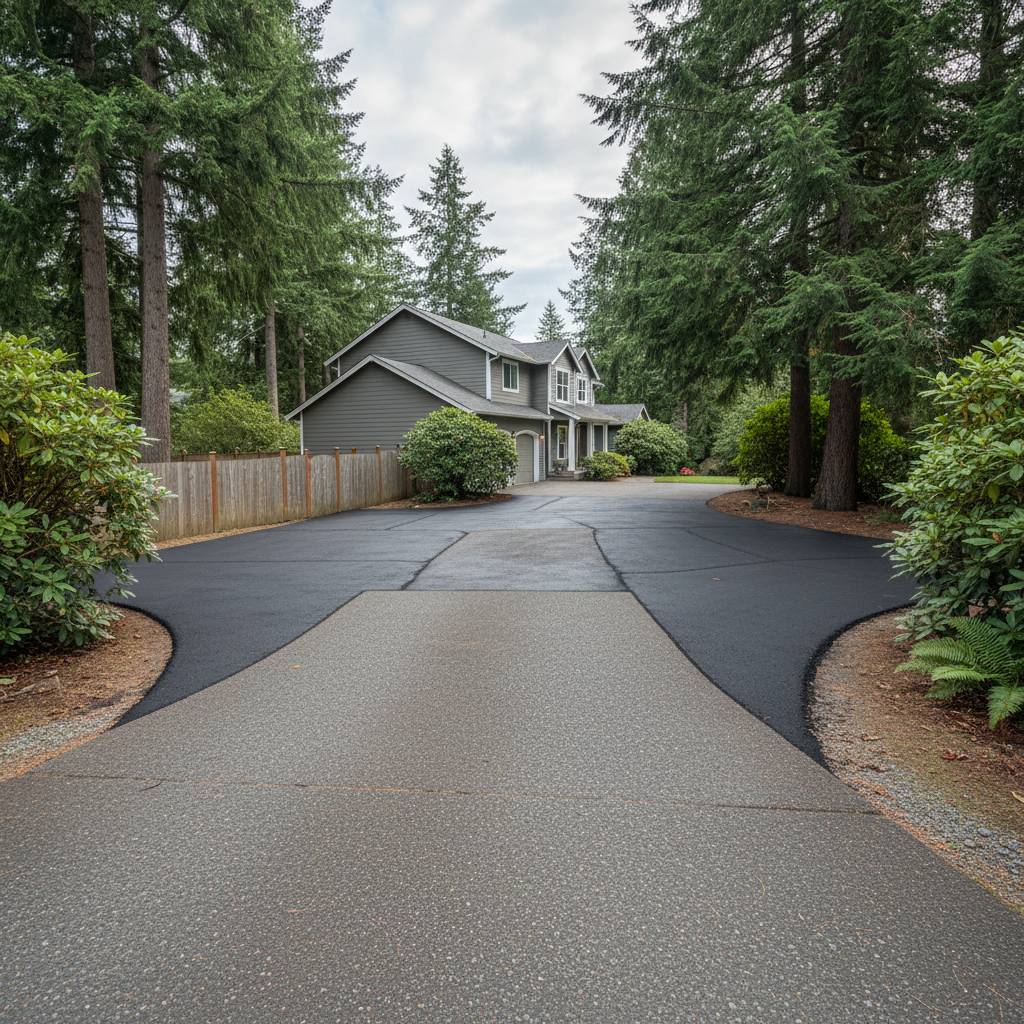
Alright, let's talk about those cracks and potholes popping up on your driveway or private road. Nobody likes 'em, right? They're not just an eyesore; they can trip someone up, ding your car, and if you just ignore 'em, they'll only get worse – costing you a lot more down the line. Patching isn't some huge, complex paving job, but doing it right still needs a plan. You can't just slap some asphalt down and call it good. Here's what I tell folks in Lakewood about getting their patching project done without a headache.
Your Patching Project Timeline: What to Expect
So, you've spotted a problem. Maybe it's a big alligator crack pattern, or a pothole that's getting deeper every week. First thing, you'll want to get some estimates. Don't just call one place, though. Get a few. This usually takes a week or two, depending on how busy contractors are. Spring and fall are prime times for this kind of work, so expect a bit of a wait then, if you can believe it.
Once you've picked a contractor and signed a contract, the actual work usually happens pretty quick. For a typical residential patching job, we're talking anywhere from a few hours to a full day, maybe two if it's a really big area or needs some extra prep. Weather plays a huge role here. We can't lay hot asphalt in heavy rain, and it needs decent temperatures to cure properly. So, if we get one of those classic Puget Sound drizzle weeks, there might be some rescheduling involved. After the work's done, you'll usually need to stay off the patched area for at least 24-48 hours, sometimes longer for heavier traffic, just to let it set up right. Your contractor will give you specific instructions, of course.
What Actually Happens During the Patching Process?
Okay, you've got your date set. What's actually going to happen? It's not as simple as just pouring hot asphalt over a hole. There are a few common methods, and a good contractor will explain which one they're using and why.
- Saw-Cut and Remove: This is the gold standard for potholes and larger, well-defined areas of damage. We'll saw-cut around the damaged section, pull out all the old, broken asphalt and any compromised base material. Then, we clean out the area thoroughly, sometimes apply a tack coat to help the new asphalt bond, and then fill it with fresh, hot asphalt. We compact it down really well to match the surrounding pavement. This creates a strong, long-lasting repair.
- Infrared Patching: This is a neat trick for smaller, shallower areas or for blending existing asphalt. We use an infrared heater to soften the existing asphalt right around the damaged spot. Then, we rake it, add some new asphalt mix if needed, and re-compact it. It's good because it creates a seamless bond with the old pavement, cutting down on future water getting in.
- Skin Patching (least recommended for long-term): Sometimes, if it's a very shallow depression or you just need a temporary fix, a contractor might lay a thin layer of asphalt right over the top. I don't love this for permanent repairs because it tends to delaminate and fail sooner, especially with our wet winters here in Lakewood. If someone suggests this for a major problem, you should really ask them why they aren't doing a more solid repair.
Regardless of the method, the crew will be using heavy equipment – saws, jackhammers, asphalt rakes, compactors. It's going to be noisy, and there will be some fumes from the hot asphalt. We try to be as quick and efficient as possible, but for a bit, it's definitely a construction zone.
How to Get Your Property Ready for Patching
Preparation on your end is pretty straightforward, but it really helps us do our best work. Before the crew shows up:
- Clear the area: Move any vehicles, boats, trailers, trash cans, planters, or anything else off and away from the work area. We need clear access, after all.
- Trim back foliage: If you have bushes or trees hanging low over the driveway, trim them back. We definitely don't want asphalt getting on your prize-winning rhododendrons, and we need space to maneuver.
- Mark sprinkler heads: If you have any sprinkler heads or invisible dog fences near the edge of the asphalt, mark them clearly with flags or paint. We really don't want to hit them.
- Keep kids and pets away: This is a construction site. Hot asphalt is dangerous, and equipment can be unpredictable. Keep everyone safely inside or well away from the work zone.
- Plan for access: Remember you won't be able to drive on the patched area for a day or two. If it's your only way to your garage, plan accordingly. Maybe park on the street or with a neighbor.
We'll handle the heavy lifting, but these little things from you make a big difference in how smoothly the job goes.
Questions to Ask Before You Sign That Contract
You've got estimates, now you need to pick the right team. Don't be afraid to ask questions. A good contractor, like us at Apex Asphalt Solutions, welcomes them. Here are some key ones:
- What specific patching method will you use for my situation? And why is that the best approach?
- Can you explain the materials you'll be using? Are you using hot mix asphalt from a local plant, or a cold patch? Hot mix is almost always better for permanent repairs, just so you know.
- What kind of base prep will you do? Will you just fill the hole, or will you remove damaged base material and compact it properly? This is crucial for how long it lasts.
- What's the typical curing time, and when can I drive on it? Get clear instructions on this.
- Do you offer any warranty on your patching work? A reputable company should stand behind their work for at least a year.
- Can you provide references from other patching jobs you've done recently?
- Are you licensed and insured in Washington State? Always, always ask for proof of this. You don't want to be liable if someone gets hurt on your property.
- What's the payment schedule? Do you require a deposit? When is the final payment due?
Getting these answers upfront will save you a lot of grief. You want to feel confident in the crew you hire. Patching might seem small, but it's an important repair to protect your investment. Do it right, and you won't have to worry about that same pothole popping up again next year.